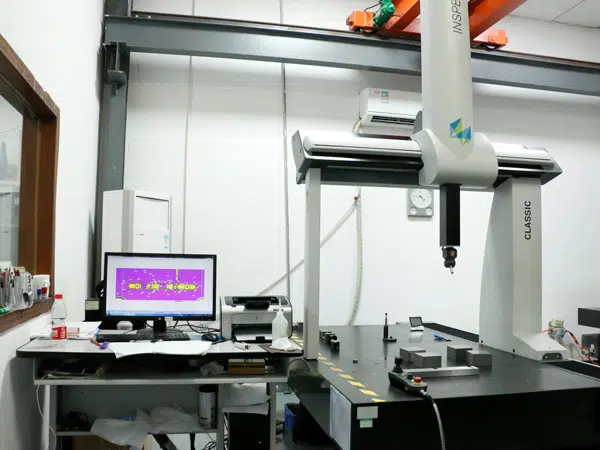
CNC machining stands as a pivotal force of modern manufacturing, enabling the creation of intricate and highly precise components. With its remarkable level of detail, CNC machining is revolutionizing numerous industries, from aerospace and automotive to medical and consumer electronics. By precisely controlling cutting tools, CNC machines can manufacture parts with exceptional dimensional tolerances, intricate geometries, and surface finishes that meet the demanding requirements of contemporary technology.
- Moreover, CNC machining offers unparalleled consistency, ensuring that components are produced to exacting specifications every time.
- As a result, manufacturers can utilize CNC machining to create high-quality, reliable products with minimal defects.
Summing up, precision CNC machining is an essential technology for shaping tomorrow's developments. Its ability to produce complex parts with exceptional accuracy and consistency makes it an indispensable tool for driving progress across a wide range of industries.
Unlocking Design Freedom with CNC Milling
CNC milling revolutionizes the design process by providing unparalleled precision and flexibility. With its ability to carve intricate geometries from a variety of materials, CNC milling opens a world of possibilities for engineers, designers, and makers alike. From rapid prototyping to high-volume production, CNC milling delivers exceptional accuracy and repeatability, ensuring that every part meets the highest standards.
This technology enables the creation of complex designs that would be impossible to achieve with traditional machining methods. With its wide range of tooling options and cutting strategies, CNC milling can accomplish a diverse set of tasks, including drilling, tapping, engraving, and 3D modeling.

The flexibility of CNC milling makes it an ideal solution for a broad spectrum of industries, from aerospace and automotive to medical and consumer goods. Its ability to personalize designs to specific requirements empowers businesses to innovate and create products that stand out in the marketplace.
Computer Numerical Control Turning: The Art of Rotational Precision
CNC turning is a advanced manufacturing process that utilizes computer-controlled machines to form metal parts by rotating them at high speeds against a cutting tool. This method allows for intricate and complex designs to be achieved with exceptional accuracy and repeatability.
The lathe, the heart of CNC turning, is equipped with a variety of tools that can mill away material to create desired geometries. Programs, often written in G-code, guide the machine's movements, dictating the speed, depth, and direction of the cutting tool.
From small components to large assemblies, CNC turning plays a vital role in industries such as aerospace, automotive, and medical manufacturing. Its ability to produce high-quality parts with tight tolerances has made it an indispensable tool for modern manufacturing.
Advanced CNC Programming Techniques
Mastering advanced CNC programming techniques is crucial for achieving optimal results in modern manufacturing. These techniques encompass a wide range of strategies and methodologies aimed at maximizing toolpath efficiency, optimizing material removal rates, and ensuring precise component fabrication. Skilled programmers leverage complex G-code structures, specialized commands, and innovative methods to generate highly accurate and efficient machining programs. By implementing these advanced techniques, manufacturers can significantly improve production throughput, reduce material waste, and enhance the overall quality of their manufactured products.
- One essential technique is adaptive programming, which allows for dynamic adjustments to machining parameters based on real-time sensor data.
- Another powerful approach involves utilizing modeling software to predict toolpath behavior and identify potential collisions or interference issues before physical machining commences.
- Safeguarding strategies are paramount in CNC programming, ensuring the safe operation of the machine and preventing damage to tools or workpieces.
Continuous learning and exploration of novel CNC programming techniques are essential for staying at the forefront of this rapidly evolving field. By embracing these advanced methodologies, manufacturers can unlock new levels of precision, efficiency, and productivity in their machining operations.
Enhancing CNC Machining Processes for Efficiency
To achieve peak performance in CNC machining, meticulous optimization of processes is paramount. This entails scrutinizing every aspect, from choosing appropriate tooling and process variables to workpiece clamping and material properties. Implementing best practices such as regular maintenance on CNC machines, utilizing advanced simulation software, and continuously monitoring machining processes can significantly reduce cycle times, improve surface appearances, and ultimately enhance overall productivity.
- Ensuring meticulous quality checks
- Developing a proficient workforce
- Optimizing workflow and material handling
The Future of Manufacturing: CNC Automation
The manufacturing sector continues to evolve rapidly, driven by the need for increased efficiency, precision, and productivity. A key trend shaping this evolution is the integration of Computer Numerical Control (CNC) automation. CNC machines provide unparalleled accuracy and repeatability, enabling manufacturers to produce complex parts with remarkable consistency. As technology progresses, CNC automation is becoming even more sophisticated, incorporating capabilities such as 3D printing and robotics. This combination of technologies promises to transform the future of manufacturing by optimizing complex processes and unlocking new levels of efficiency and customization.
CNC Machining Materials

Dive into the realm of CNC machining and discover the expansive range of materials that can be transformed by this precise manufacturing process. From robust metals like aluminum, titanium, and stainless iron , to versatile composites such as ABS, polycarbonate, and acrylic, CNC machining offers a wide palette for fabrication. This comprehensive guide explores the characteristics of common CNC machining materials, helping you select the optimal choice for your project's specifications.
- Explore the unique traits of each material type.
- Discover the ideal applications for various CNC machining materials.
- Select informed decisions based on factors like strength, durability, and finish .
Whether you're crafting intricate prototypes or producing large-scale assemblies, understanding the nuances of CNC machining materials is essential for achieving optimal results.
Understanding G-Code: The Language of CNC Machines
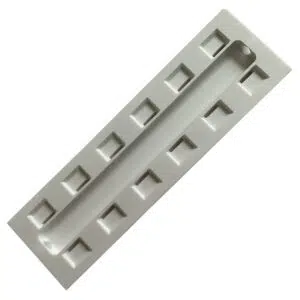
G-code is the fundamental language utilized by Computer Numerical Control (CNC) tools. This textual code provides precise commands to guide the operations of CNC elements, enabling the creation of intricate objects with exceptional accuracy.
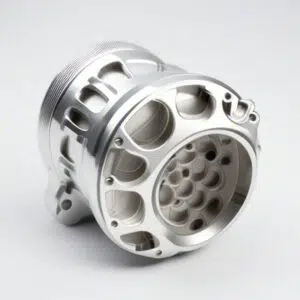
Each line of G-code represents a group of directives that dictate the orientation of the CNC bit, its speed, and other settings. CNC operators compose these G-code programs, precisely specifying every action required to transform raw materials into the desired result.

The adaptability of G-code allows CNC machines to fabricate a extensive range of objects, from simple parts to complex assemblies.

Understanding the fundamentals of G-code is therefore vital for anyone engaged in the world of CNC machining.
Troubleshooting Common CNC Machining Issues
CNC machining can be a wide array of challenges for even the most experienced operators. One common difficulty is tool wear, which can result in inaccurate cuts and surface finish imperfections. In order to address this, it's crucial to regularly inspect tools for signs of damage and replace them as needed.
Another frequent complaint is chatter, a high-frequency vibration that can impact the quality of your workpiece. Chatter often occurs when the cutting parameters are not adjusted properly. To reduce chatter, try raising the feed rate or modifying the depth of cut.
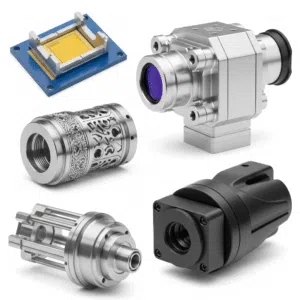
Some other common CNC machining troubles include:
* Faulty G-code programming
* Inadequate clamping CNC machining techniques
* Material defects
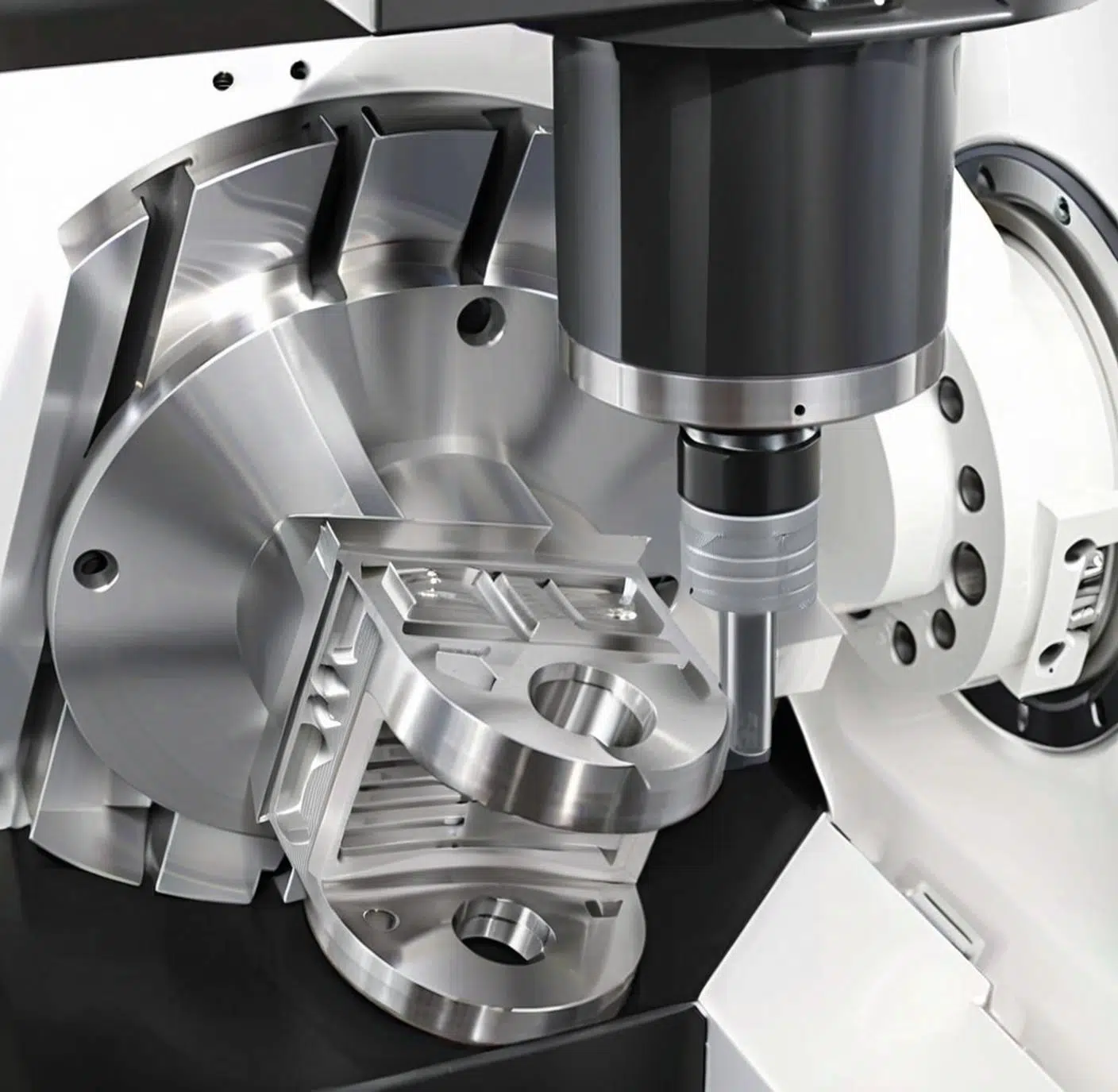
Proper troubleshooting and maintenance can help you overcome these challenges and achieve optimal CNC machining results.
CNC Machining: Accelerated Design Cycles
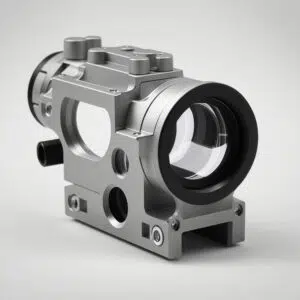
In today's fast-paced marketplace, the ability to rapidly refine designs is paramount. CNC prototyping provides a powerful solution, enabling designers and engineers to quickly produce physical models based on their latest concepts. This rapid iteration process allows for quick testing, leading to faster product development cycles and ultimately, more successful deliverables.
- Strengths of CNC prototyping include:
- Exceptional accuracy and repeatability, ensuring that prototypes closely reflect the final design.
- Immediate turnaround times, allowing for frequent iterations and testing.
- Affordable compared to traditional manufacturing methods, especially for low-volume production runs.

High-Speed Machining with CNC: Pushing the Limits
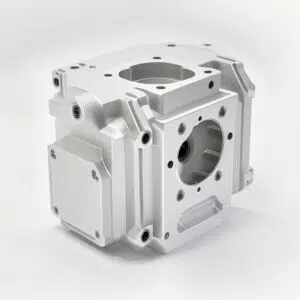
High-speed machining employs CNC technology to achieve remarkable speeds of material removal. This process permits manufacturers to produce intricate components with unprecedented precision and efficiency. By employing high-speed cutting tools and optimized machining parameters, complex geometries can be fabricated with minimal tool wear and heat generation. The result is a substantial increase in productivity while maintaining the highest quality of surface finish.
- Additionally, high-speed machining minimizes cycle times, enabling faster turnaround and increased production output.
- As a result, manufacturers can meet the growing demands of industries such as aerospace, automotive, and electronics, where rapid prototyping and production are crucial.
Surface Finish and Accuracy in CNC Machining
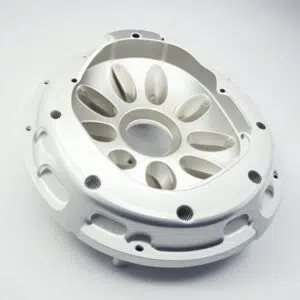
In the realm of CNC machining, achieving optimal surface finish and accuracy is essential for ensuring product quality and functionality. The meticulous control exerted by computer numerical control (CNC) machines allows for precise material removal and manipulation, resulting in surfaces that meet stringent specifications.
Multiple factors influence the final surface finish achieved through CNC machining, including cutting tool selection, feed rates, spindle speeds, work material characteristics, and machine calibration. Employing appropriate cutting strategies and optimizing these parameters can significantly enhance surface roughness, smoothness, and dimensional accuracy.
- Obtaining a high level of surface finish is typically measured in terms of surface roughness (Ra), which quantifies the deviation from an ideal smooth surface. Lower Ra values indicate smoother surfaces, while higher values reflect increased surface irregularities.
- Computer-Aided Manufacturing machines are capable of producing a wide range of surface finishes, including highly polished to rough textures depending on the desired application and material being machined.
- Accurate machining requires meticulous attention to detail throughout the entire process. This includes ensuring proper tooling alignment, workpiece clamping, and consistent machine operation to minimize errors and achieve precise dimensional tolerances.
By mastering the intricacies of surface finish and accuracy in CNC machining, manufacturers can produce components that meet the demands of various industries, spanning from aerospace and automotive to medical and electronics.
Uniting CAD and CAM
In the realm of modern manufacturing, efficiently streamlining CNC production has become paramount. This is where the synergy between Computer-Aided Design (CAD) and Computer-Aided Manufacturing (CAM) emerges as a game-changer. By seamlessly integrating these two powerful technologies, manufacturers can achieve unprecedented levels of precision, output, and cost-effectiveness.
- Design platforms
- generate detailed digital models that serve as the blueprint for CNC machining.
- CNC controllers
- translate these CAD designs into precise g-code for CNC machines to execute.
This direct data exchange eliminates the need for manual intervention, thus reducing errors. Furthermore, CAD/CAM integration enables real-time updates, allowing manufacturers to respond efficiently to evolving customer demands or production requirements.
From Blueprint to Finished Part: The CNC Journey The Exciting Transformation from Design to Reality
A automated fabrication process is a sophisticated blend of technological innovation and precision engineering. It begins with a digital design, meticulously crafted by designers who envision the final product. This virtual representation serves as a roadmap for the CNC machine, which interprets the instructions encoded within it.
The machine's powerful spindle cuts into a block of raw material, removing excess material with remarkable accuracy. Each motion is precisely controlled by the CNC program, ensuring that the final part meets the original design specifications.
The journey from blueprint to finished part is a testament to the power of technology. CNC machining has revolutionized manufacturing, enabling the creation of complex and intricate parts with unparalleled precision and efficiency.
How CNC Machining Drives Industry 4.0
Industry 4.0 is characterized by the convergence of physical and digital worlds, leading to a paradigm shift in manufacturing processes. Key to this transformation is CNC machining CNC machining, which has evolved into a highly automated and intelligent technology. With its ability to achieve precise production, CNC machining plays a crucial role in enabling the benefits of Industry 4.0.
CNC machines are increasingly equipped with sensors and software that allow for real-time data monitoring. This data can be used to optimize machine performance, predict maintenance needs, and improve product quality. Moreover, the integration of CNC machining with other Industry 4.0 technologies, such as cloud computing and artificial intelligence, unlocks further possibilities for increased efficiency, flexibility, and customization.
- Additionally, the rise of additive manufacturing complements traditional CNC machining, allowing for complex geometries and on-demand production.
- This convergence of technologies empowers manufacturers to respond to evolving market demands with agility and precision.
Custom CNC Machined Components: Parts
In today's dynamic manufacturing landscape, securing precise and reliable components is paramount. This demand has fueled the rise of custom CNC machined components as a flexible solution for a wide spectrum of industries. From aerospace to automotive, medical devices and beyond, custom CNC machining allows manufacturers to create parts with remarkable accuracy and precision.
Leveraging the power of computer-aided design (CAD) and computerized numerical control (CNC), skilled machinists can shape raw materials into intricate components that meet specific requirements. This technique offers numerous perks, including optimized performance, improved durability, and the ability to integrate complex geometries.
- Furthermore, custom CNC machining allows for limited-run production, making it an ideal choice for prototyping, low-volume manufacturing, and specialized applications.
- Selecting a reputable CNC machining provider with experience in your field is crucial to provide the highest quality of components.
Ultimately, custom CNC machined components provide engineers with a efficient tool for enhancing innovation and meeting the ever-evolving demands of modern manufacturing.
Selecting CNC Machining Equipment
Acquiring the perfect CNC machine
Comments on “Advanced CNC Fabrication : Shaping Tomorrow's Technology”